What ‘Organic’ Really Means on a Tea Tin
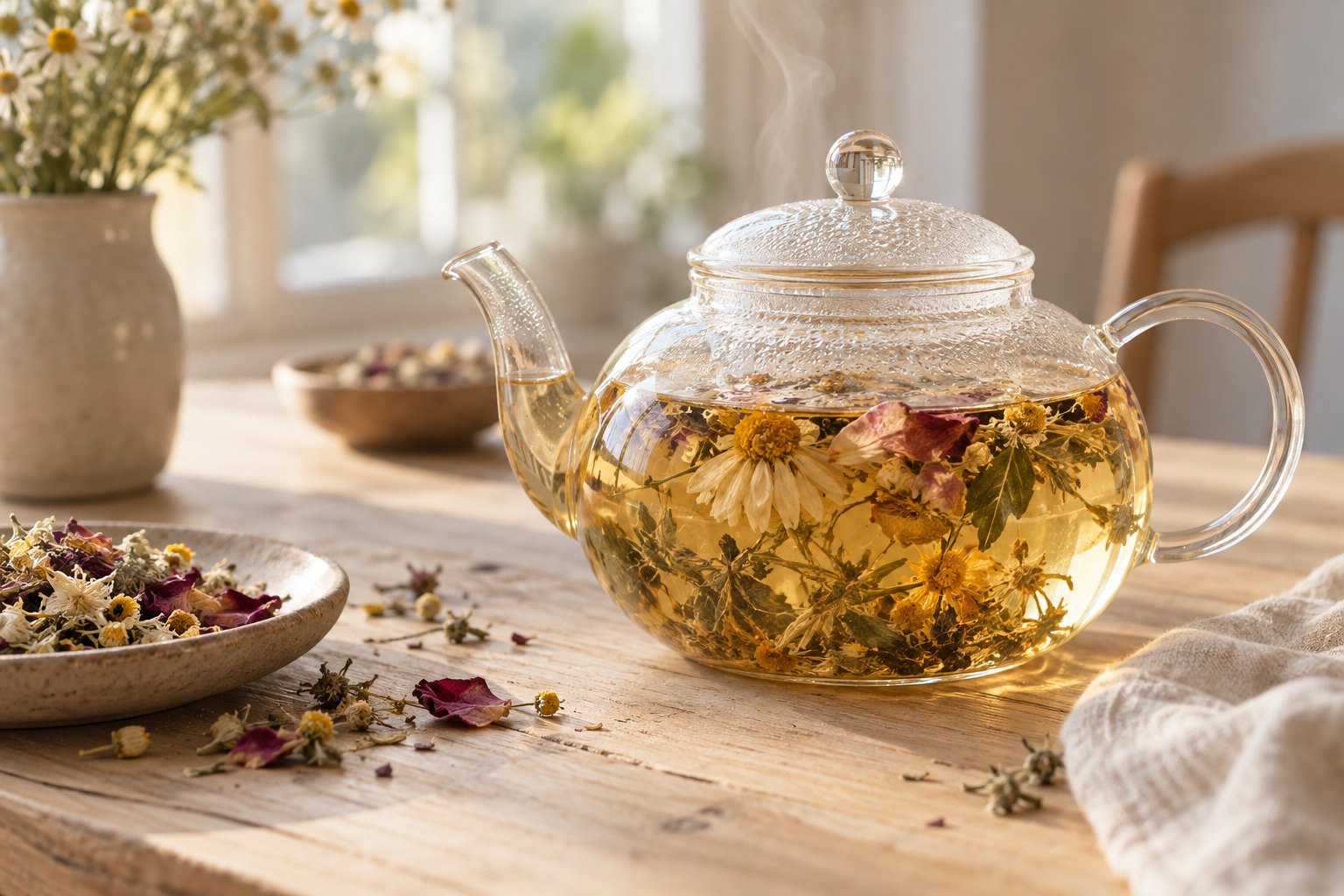
‘Organic’ is one of the most-printed words in the tea aisle and one of the least understood. It is not a flavor, a health claim or a marketing mood. It is a specific agricultural standard, and knowing what it does and does not promise makes you a far better buyer.
What it does mean
Certified-organic tea is grown without synthetic pesticides, herbicides or fertilizers, and processed without artificial additives. Certification — by bodies such as the USDA or EU organic programs — involves inspection and record-keeping across the supply chain. When genuine, it tells you something real about how the plant was farmed.
What it does not mean
Organic is not a promise of quality or taste. A carelessly grown organic leaf can make a worse cup than a thoughtfully farmed conventional one. It is also not a health claim. And ‘natural’, ‘pure’ and ‘clean’ — words with no legal definition — mean essentially nothing on their own.
Reading the tin honestly
Look for a specific certification mark rather than a vague adjective. Check whether the origin is named; traceability and certification together are far more meaningful than either alone. And notice the ingredient list — a short one, with recognizable botanicals, usually signals a maker who trusts the ingredient.
Why we bother
We source organic where it improves the ingredient and the growing community, not because the word sells. Start with an extraordinary botanical, farmed responsibly, and interfere with it as little as possible. Certification is a tool toward that, not the point of it.